
ABC FUTURES
Indigenous and Local Communities Resisting Drivers of Biodiversity Loss
ABC FUTURES
Indigenous and Local Communities Resisting Drivers of Biodiversity Loss

Indigenous territories and global biodiversity goals
Indigenous and Traditional Territories are essential for global biodiversity conservation efforts. They are recognised in the Global Biodiversity Framework adopted under the Convention on Biological Diversity. A key goal is the “30 by 30” target to conserve nature. Indigenous and Traditional Territories (ITTs) are vital for reaching this goal. Indigenous Peoples and Local Communities actively manage these territories worldwide. Their knowledge, practices, and worldviews strongly support positive conservation outcomes. Our programme explores how ITTs can contribute to the 30 by 30 target.
Despite global recognition of the importance of Indigenous-led conservation systems, communities face growing pressures that threaten biodiversity and local livelihoods. These pressures include climate change, land use change, logging, mining, and environmental crime.
Supporting Indigenous leadership requires deeper understanding of local strategies and practices. This knowledge is essential for building fair and effective Area-Based Conservation Futures.
A transdisciplinary and collaborative programme
ABC Futures follows a transdisciplinary approach grounded in social-ecological systems thinking. The programme combines natural sciences, social sciences, and Indigenous knowledge systems. Researchers and communities will co-produce knowledge to address complex conservation challenges.
The ABC Futures brings together researchers and partners from five countries. Our team includes PhD researchers, supervisors, community partners, and NGOs. We value respectful collaboration across cultures, disciplines, and knowledge systems. Meet our team here
Each study country team collaborates closely with Indigenous Peoples and conservation organisations. The teams will engage in peer-to-peer learning, training, and joint research activities. Together, they co-generate knowledge and impact from local landscapes to global policy arenas.
Do you want to know more about the ABC Futures programme? Check out more here.
Research across four country regions
In Suriname, Indigenous communities address declining wildlife and rising disease risks. Wildlife crime and mining activities increase pressure on ecosystems and human health.
In the Brazilian Amazon (ADD LINK TO CASE STUDY PAGE), communities protect territories within complex mosaic landscapes. These landscapes include agroforestry systems, extractive reserves, protected areas, and farmland. Communities explore regenerative agriculture and nature-based solutions with diverse stakeholders, while also drawing on traditional knowledges and practices.
In and around Gorongosa National Park in Mozambique , communities face challenges to restore land after conflict and war. They work with the park to develop agroforestry and nature-inclusive agriculture. Communities also revive traditional land-use practices alongside modern livelihood strategies.
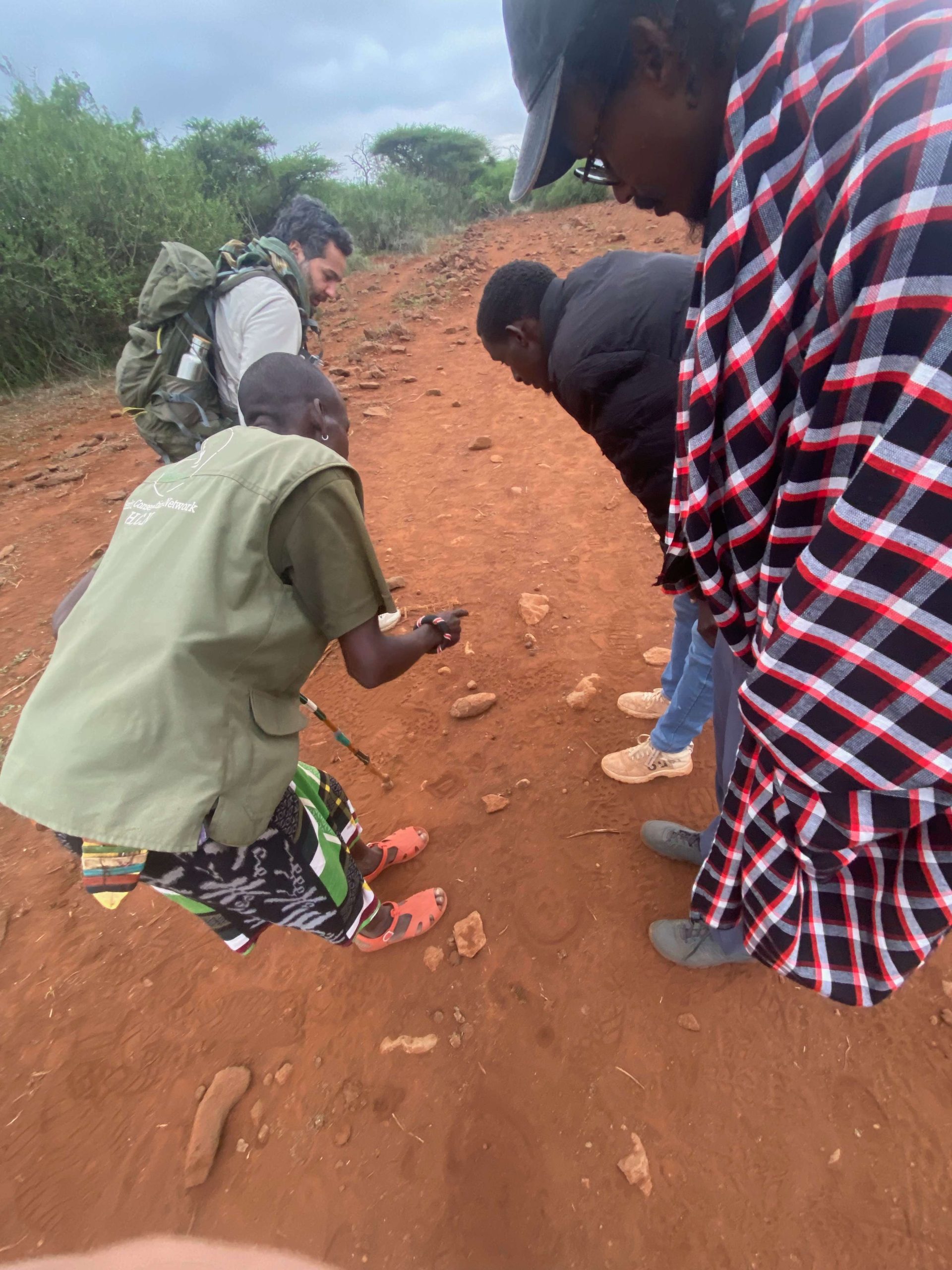
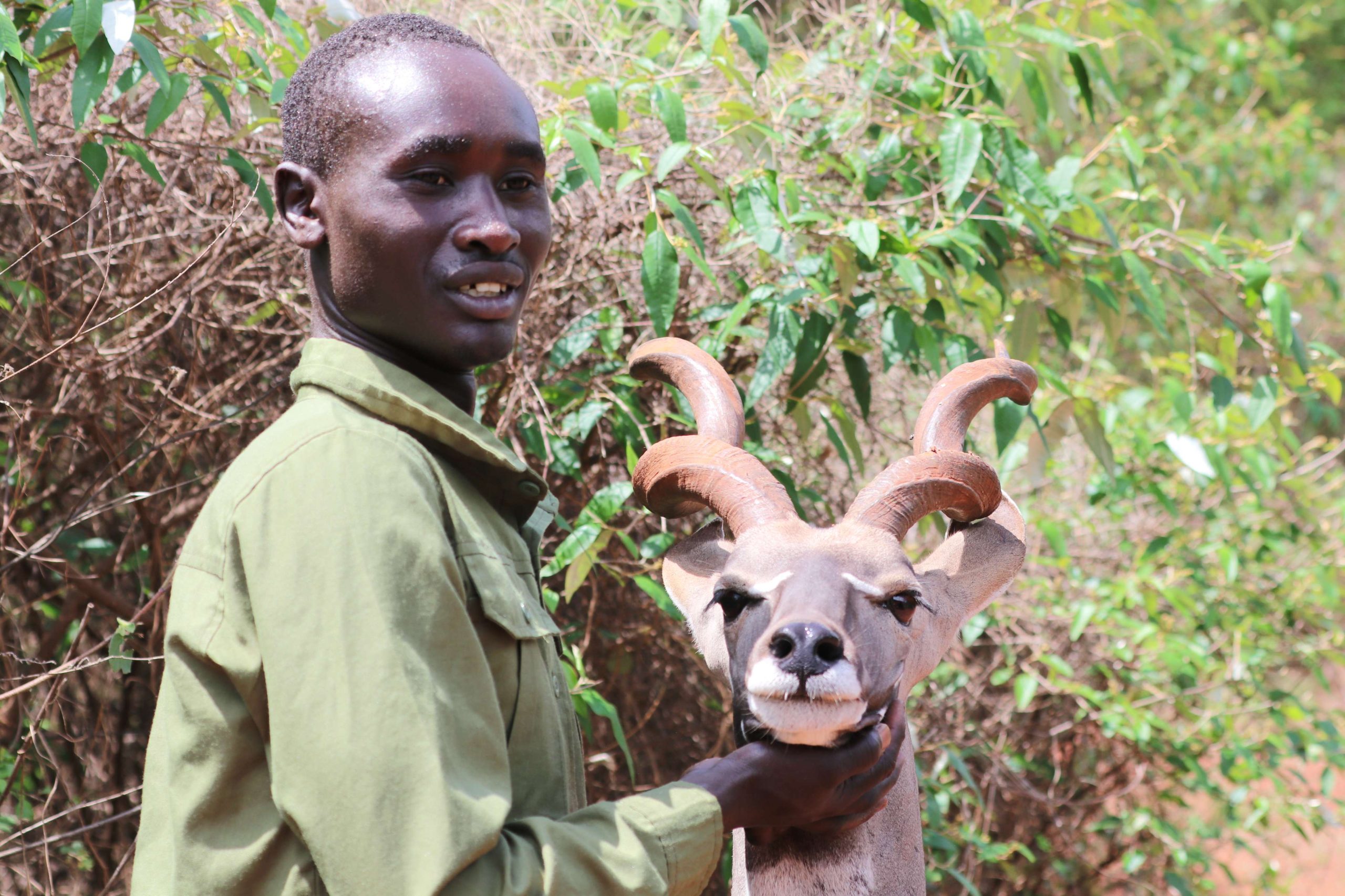
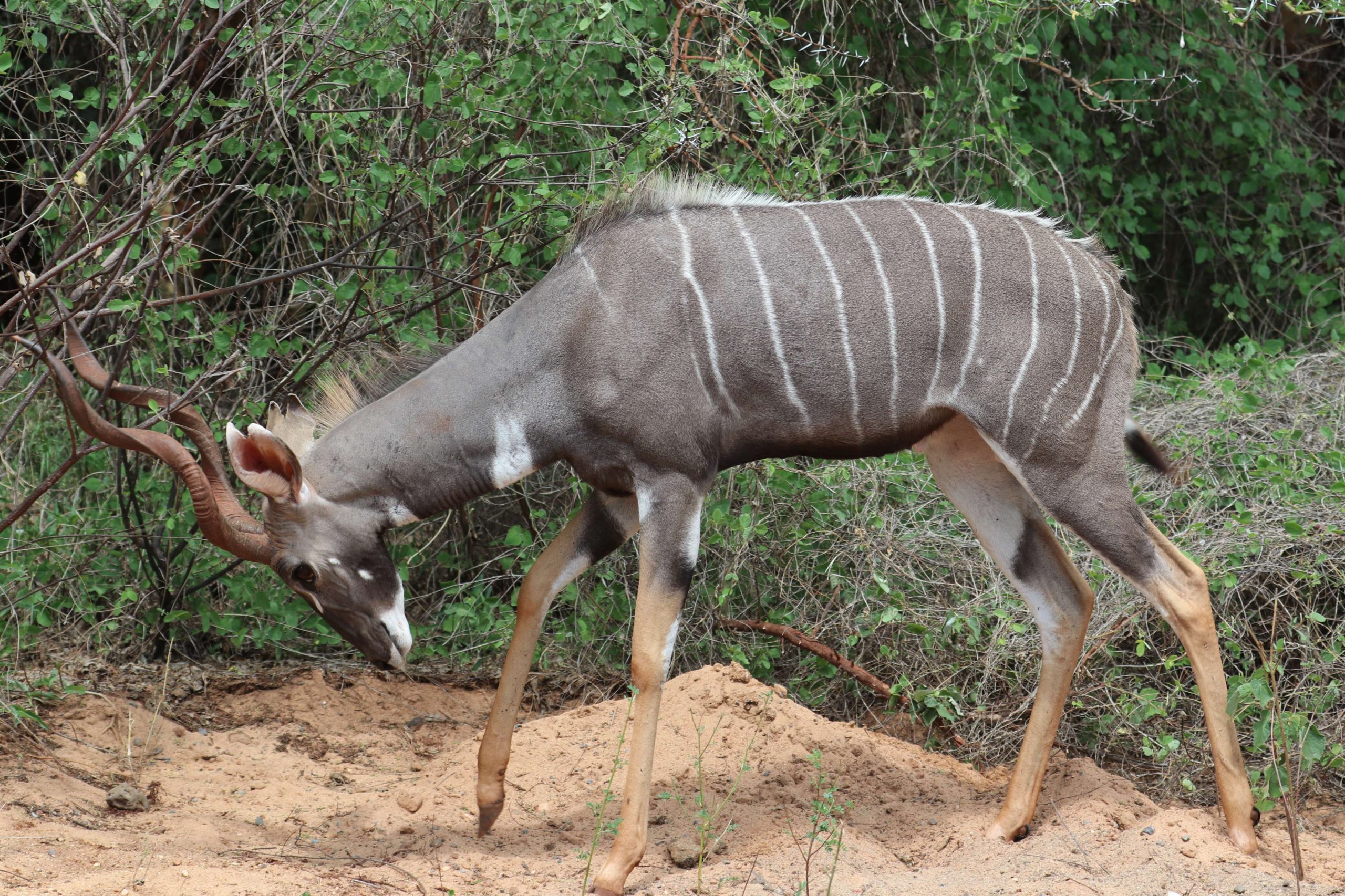
In northern Kenya , pastoralist communities regain recognition as biodiversity stewards. They renew traditional practices and strengthen collaboration with neighbouring national parks. New partnerships support more inclusive and just conservation models.
CASE STUDIES

MEET OUR TEAM
NEWS & BLOG
- #Biodiversity, #IndigenousTerritories
- #IndigenousTerritories
- #Kenya
- #Biodiversity, #IndigenousTerritories
- #IndigenousTerritories
- #Kenya